
Why Choosing the Right Surety Bond Provider Matters for Your Business

The best surety bond companies combine financial strength, competitive rates, and fast service to help businesses meet their legal requirements without delays or excessive costs. Whether you need a contractor license bond in Texas, a performance bond for a construction project, or a court bond for legal proceedings, selecting the wrong surety provider can cost you time, money, and business opportunities.
The right company will offer transparent pricing, fast approvals, and expert guidance through what can be a confusing process. As one customer noted about their experience: “Cannot believe how easy the process was. This company is the gold standard in customer service and efficiency.”
The surety bond market includes hundreds of providers, from large national carriers to specialized agencies that focus on specific industries or regions. Each has different strengths, pricing models, and approval processes, making it crucial to know what to look for.
I’m Haiko de Poel, and I’ve helped scale multiple ventures across insurance, fintech, and business services, giving me deep insight into how the best surety bond companies operate and serve their clients. My experience in full-stack brand development and operational innovation has shown me what separates exceptional surety providers from the rest.
Understanding the Basics: What is a Surety Bond and How Does It Work?
At its core, a surety bond is a three-party agreement that provides a financial guarantee. It’s a promise from one party to another, backed by a third, financially strong party, ensuring that obligations are met.
Let’s break down the three key players:
- The Principal: This is you, the business or individual who needs the bond and promises to fulfill an obligation.
- The Obligee: This is the party requiring the bond (e.g., a government entity, project owner) who is compensated if the Principal fails.
- The Surety: This is the best surety bond company that guarantees the Principal’s obligations. If the Principal defaults, the Surety pays the Obligee and then seeks reimbursement from the Principal.
This setup is crucial for risk management, especially in construction, where project owners need assurance that work will be completed.
Surety Bonds vs. Insurance: Spot the Difference
While both surety bonds and insurance offer financial protection, they operate differently. The key distinction is who assumes the ultimate financial risk.
- Insurance is a two-party agreement where the insurer absorbs the financial risk of a covered loss. If your business property is damaged, your insurance company pays for the repairs, and you generally don’t have to repay them.
- Surety Bonds are a three-party agreement. If the Principal (you) defaults, the Surety pays the Obligee but then seeks reimbursement from the Principal. The bond is a form of credit, and the financial risk ultimately stays with you. It protects the Obligee from your failure to perform, rather than protecting you from a loss.
Are Surety Bonds Legally Required?
Yes, in many cases, surety bonds are a legal requirement. They are often mandated to protect public funds, ensure regulatory compliance, or guarantee contractual obligations.
For publicly funded construction, the federal Miller Act requires general contractors on federal projects over $150,000 to post performance and payment bonds. This ensures project completion and payment to subcontractors. Most states, including Texas, have similar “Little Miller Acts” for state and local projects, making these bonds essential for public works contractors.
Beyond construction, many business licenses and permits require commercial bonds. Industries like auto dealerships and mortgage brokers must often obtain a bond to guarantee ethical operation and consumer protection, as mandated by state or local governments. You can find More info about commercial surety bonds on our website.
The Main Categories of Surety Bonds
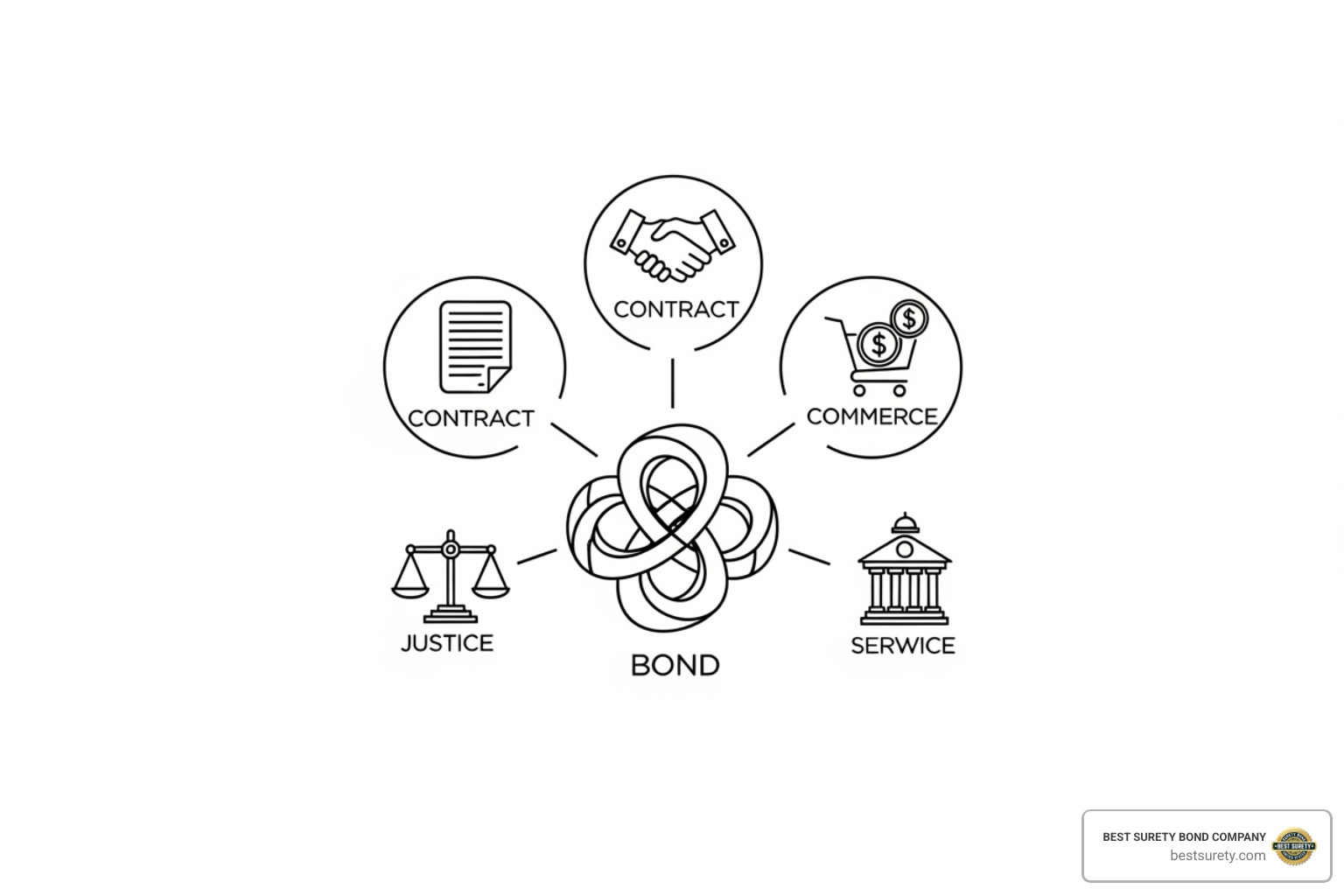
Surety bonds generally fall into a few main categories, each serving a distinct purpose.
-
Contract Bonds: Used in construction to guarantee a contractor will fulfill the terms of a contract. Examples include bid, performance, and payment bonds. For a comprehensive overview, explore More info about construction surety bonds.
-
Commercial Bonds: A broad category for non-construction needs, often required by government agencies for licenses and permits to ensure businesses comply with laws. Examples include auto dealer and freight broker bonds.
-
Court Bonds: Required in legal proceedings to guarantee fulfillment of obligations set by a court. This includes fiduciary, judicial, and probate bonds. Learn more about More info about understanding court bonds.
-
Public Official Bonds: Required for individuals in public office to guarantee they will perform their duties faithfully, protecting the public from misconduct.
A Closer Look at Construction Bonds
Construction bonds are a cornerstone of risk management in the building industry, providing financial protection for project owners and guaranteeing project completion. Unlike construction insurance, which covers damages, bonds guarantee performance.
Here are the most common types:
- Bid Bonds: Assures the project owner that the winning bidder will enter into the contract and provide the necessary performance and payment bonds.
- Performance Bonds: Guarantees the contractor will complete the project according to the contract’s terms. If the contractor defaults, the surety ensures the project is finished.
- Payment Bonds: Guarantees that the contractor will pay subcontractors, laborers, and suppliers, preventing liens on the project.
- Supply Bonds: Guarantees that a supplier will deliver materials or equipment as specified in a contract.
- Maintenance Bonds: Guarantees against defects in workmanship and materials for a specific period after project completion.
- Subdivision Bonds: Guarantees a developer will complete public improvements like roads and utilities in a new subdivision.
While vital for most public projects, construction bonds may not cover certain complex scenarios like overseas projects or work on Indian reservations due to unique risk factors.
How to Compare and Select the Best Surety Bond Companies
Finding the right surety bond partner can feel overwhelming. Choosing wisely isn’t just about getting any bond; it’s about finding a company that supports your business goals with fair pricing and reliable service.

Think of it like choosing a business partner: you need someone reliable, financially stable, and who understands your industry. Whether you’re a contractor in Houston needing a performance bond or a small business owner requiring a license bond, the right surety can prevent costly delays.
We’ve helped thousands of Texas businesses make this decision, and we know what separates the best surety bond companies from the rest. Let’s break down what really matters.
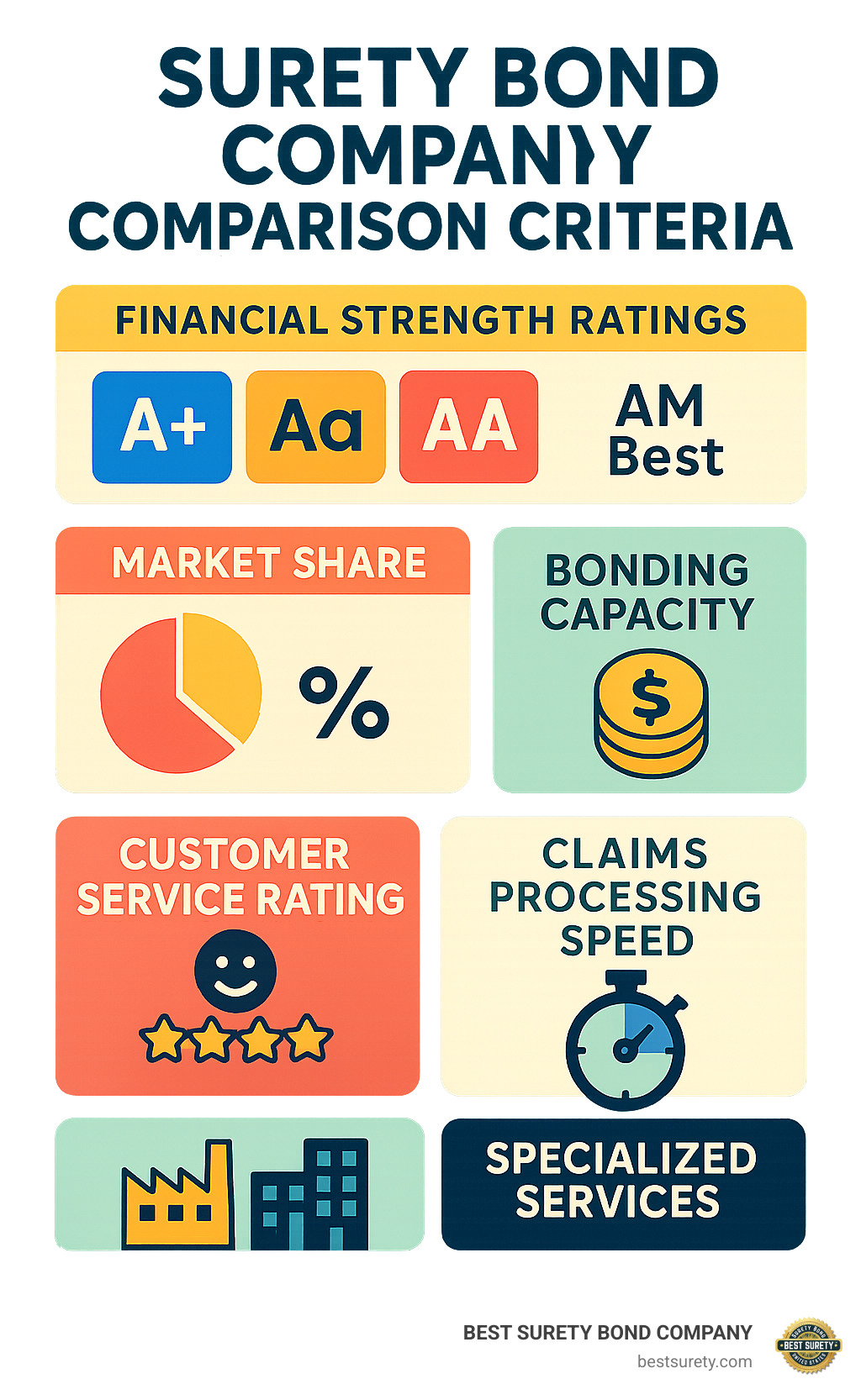
Key Criteria for Finding the Best Surety Bond Companies
When evaluating surety companies, focus on these key factors:
Financial Strength Ratings: This is your top priority. A surety must be able to pay claims. Check ratings from independent agencies like A.M. Best, Moody’s, and Standard & Poor’s. High ratings (like A++ from AM Best or AA from S&P) signify a company’s proven ability to meet its financial obligations.
Treasury Listing (T-List): This is non-negotiable for federal projects. The U.S. Treasury Department lists approved sureties for federal work. A company must be on this list to bond federal contracts, and a higher listing indicates capacity for larger projects.
Customer Service and Reputation: Financial strength is useless without good service. Look for strong Better Business Bureau ratings and positive customer reviews. Testimonials about an easy process or great service speak volumes.
Claims Handling Efficiency: In the event of a claim, you need a provider that is fair, transparent, and communicative. Professional claims handling provides critical peace of mind.
Industry Specialization: A surety that understands your industry—whether it’s construction, commercial business, or court proceedings—can provide faster approvals, better pricing, and expert guidance.
Decoding Surety Bond Costs and Premiums
Let’s talk about what everyone wants to know upfront: “How much will this cost me?”
Surety bond premiums work differently than insurance premiums. You’re not paying for the full bond amount – instead, you pay a small percentage of that amount as your premium. This percentage typically ranges from less than 1% to about 5% for most qualified applicants, though it can vary based on several key factors.
Your business financials play the biggest role in determining your rate. Surety companies want to see strong working capital, positive cash flow, and a healthy balance sheet. Think of it from their perspective – they’re essentially extending you a line of credit, so they want confidence in your ability to fulfill your obligations.
Your industry experience and track record matter tremendously. A contractor with ten years of successfully completed projects will get better rates than someone just starting out. Similarly, a business owner with a clean compliance record will be viewed more favorably than someone with past regulatory issues.
Personal credit history often comes into play, especially for smaller bonds or newer businesses. Just like with any financial product, good credit demonstrates reliability. If you’re unsure about your business credit standing, services like Checking your business credit report can help you understand where you stand.
Bond type and risk level also influence pricing. A straightforward license bond for a well-established profession typically costs less than a performance bond for a complex construction project. The surety’s assessment of risk directly impacts your premium.
Here in Texas, we’ve found that working with multiple surety markets gives our clients significant advantages. Instead of being limited to one company’s rates, we can compare options and find the most competitive pricing available. This approach has saved our clients thousands of dollars over the years.
For small businesses facing budget constraints, programs like the Small Business Administration’s bond guarantee program can be incredibly valuable. The SBA guarantees a portion of the bond to the surety, making it easier for smaller companies to qualify and often resulting in better rates.
Finding the Best Surety Bond Companies for Your Specific Needs
The reality is that there’s no single “best” surety company for everyone. What works perfectly for a large construction company might not be ideal for a small auto dealer, and vice versa. We’ve learned to match companies with sureties based on their specific situations and needs.
Small businesses often benefit from working with companies that specialize in their market segment. These sureties understand the unique challenges smaller businesses face and often offer more flexible underwriting and payment options. Some even provide monthly payment plans instead of requiring the full premium upfront.
Large contractors need sureties with substantial bonding capacity and experience with complex projects. Companies offering bonding capacities in the hundreds of millions or even billions of dollars can handle major infrastructure projects and multi-year contracts. These relationships often involve more sophisticated underwriting but can provide the large-scale support that major contractors require.
Businesses with credit challenges shouldn’t assume they’re out of options. Specialized programs exist for companies with past financial difficulties, though they may require additional collateral or involve different pricing structures. The key is working with a surety agent who understands these alternative programs and can guide you toward the right solution.
Speed requirements vary dramatically by situation. Getting a Colorado auto dealer bond for a license renewal might be urgent, while a performance bond for a project starting next quarter allows more time for thorough underwriting. We specialize in fast approvals for transactional bonds, understanding that sometimes you need your bond yesterday.
Our approach combines national reach with local expertise, particularly here in Texas. We understand the specific requirements for Houston contractors, Dallas businesses, and statewide licensing needs. This local knowledge, combined with access to national surety markets, gives our clients the best of both worlds – expert guidance and competitive options.
The best surety bond companies for your needs are those that understand your industry, offer competitive rates, and provide the level of service that matches your timeline and requirements. Whether you need same-day approval for a license bond or comprehensive support for a major construction project, the right partnership makes all the difference.
The Application Process: How to Get Your Bond Fast
Getting your surety bond doesn’t have to be a bureaucratic nightmare. At Best Surety, we’ve designed our application process to be as straightforward as ordering your morning coffee just with a bit more paperwork involved.
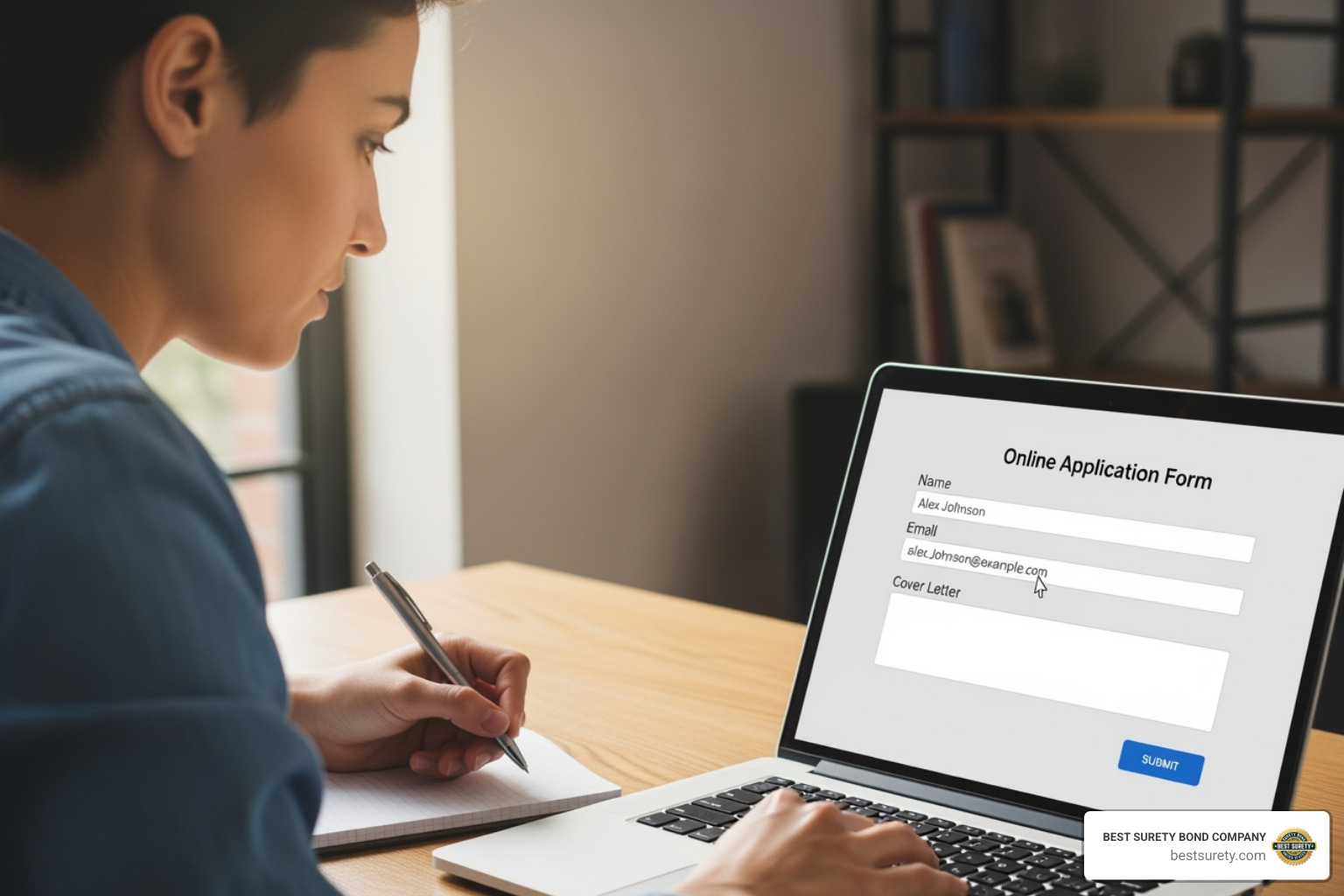
The beauty of working with the best surety bond companies is that they understand your time is valuable. That’s why we focus on instant quotes and same-day issuance for most bond types, especially for our Texas clients who need to get back to business quickly.
When you start your application, you’ll need some basic business details on hand. This includes your legal business name, address, contact information, and federal tax ID number. If you’re applying for a personal bond, we’ll need your individual information instead. Nothing too complicated just the standard information you’d provide when opening a business bank account.
Next, we’ll need the bond specifics. You’ll want to know exactly what type of bond you need (whether it’s a performance bond, license bond, or court bond) and the required bond amount. Don’t worry if you’re not entirely sure the obligee (the entity requiring your bond) will typically provide these details in their requirements.
For larger bonds or more complex projects, financial statements become part of the conversation. We’re talking about your balance sheets and income statements that show your business’s financial health. Contractors might also need to provide work-in-progress schedules. Think of this as showing your report card to prove you’re ready for the big leagues.
Your personal credit history plays a significant role, especially for smaller commercial and license bonds. For bigger, more complex bonds, we might ask for a personal financial statement too. It’s all about understanding the complete picture of your financial reliability.
If you’re a contractor, having your industry experience and resume ready can really strengthen your application. Past project successes and relevant experience tell us (and the surety) that you know what you’re doing.
Our online application process is where the magic happens. For many common bond types, you can get an instant quote just by entering your state, bond type, and required bond amount. It’s that simple. For more complex situations, our experienced team jumps in to gather what’s needed and provide you with a competitive quote fast.
Take our Texas wage and welfare bond process, for example. Our online system walks you through the specific requirements step by step, making sure you have all the necessary documentation for the fastest possible approval. No guesswork, no delays.
The goal is always the same: get you bonded and back to focusing on your business with minimal hassle. Whether you need a simple license bond or a complex performance guarantee, we’ve streamlined everything to work at the speed your business demands.
Frequently Asked Questions about Choosing a Surety Provider
We get it – choosing from the best surety bond companies can feel overwhelming, especially when you need answers fast. After helping thousands of Texas businesses get bonded, we’ve noticed the same questions come up again and again. Let’s tackle the big ones together.
What is the fastest way to get a contractor license bond in Texas?
Here’s the thing – speed is everything when you’re trying to get licensed and start working. The absolute fastest way to get your contractor license bond is through our online application system, and I’m not just saying that because it’s ours.
Online applications are your best friend here. Our system can generate instant quotes for most common license bonds the moment you enter your information. No waiting around for callbacks or playing phone tag with agents who are stuck in meetings.
Digital bond delivery means you can have your bond certificate in your email within hours, not days. We’ve had clients get fully bonded on the same day they applied – something that would have taken weeks just a few years ago.
To get the fastest approval possible, have your business details ready: your legal business name, EIN, the exact bond type your licensing board requires, and the bond amount. The more complete your application, the faster we can get you bonded and back to bidding on jobs.
Our responsive agency approach means real people are available to help if you hit any snags. No automated phone trees or waiting days for email responses.
Are surety bonds legally required for all businesses in Houston?
This is probably our most common question, and the short answer is no – not every business in Houston needs a surety bond. But here’s where it gets interesting: you might need one and not even know it yet.
Industry-specific requirements are the big factor here. If you’re a contractor, auto dealer, mortgage broker, or work in dozens of other regulated industries, then yes, you’ll almost certainly need a bond as part of your licensing requirements.
City and state regulations can vary widely, even within Texas. What Houston requires might be different from what Dallas or Austin demands. Some cities have their own bonding requirements on top of state licensing bonds.
Contractor licensing is where we see this most often. Whether you’re doing electrical work, plumbing, or general contracting, Texas likely requires you to be bonded before you can legally operate.
The best way to know for sure? Check with the obligee – that’s the government agency or licensing board that would require your bond. They’ll tell you exactly what type of bond you need and for how much. Don’t guess on this one, because operating without a required bond can mean fines, license suspension, or worse.
For more details on what might apply to your business, check out More info about license and permit bonds.
How does bad credit affect my ability to get a performance bond?
Let’s be honest about this – bad credit definitely makes getting a performance bond more challenging, but it’s not a dead end. We’ve helped plenty of contractors with credit issues get the bonds they need to keep working.
Higher premiums are usually the first thing you’ll notice. Instead of paying 1-2% of the bond amount, you might be looking at 3-5% or higher. It’s not fun, but it’s often still worth it to keep your business running.
Collateral requirements might come into play for larger bonds. The surety company might ask for cash, a letter of credit, or other security to back up the bond. Think of it as co-signing for yourself.
Specialized programs exist specifically for situations like yours. Some of the best surety bond companies have developed alternative approaches for businesses with credit challenges. These aren’t charity programs – they’re business solutions that recognize that past credit problems don’t always predict future performance.
Here’s what really matters: strong business financials can often overcome personal credit issues. If your company has solid cash flow, good working capital, and a track record of completing projects, that carries a lot of weight with underwriters.
Working with an experienced agent makes all the difference here. We know which sureties are more flexible with credit issues and how to present your application to highlight your strengths rather than your past financial bumps. We’ve seen contractors with bankruptcy in their past get bonded because we knew exactly where to take their application and how to tell their story.
The key is being upfront about your situation from the start. Trying to hide credit problems only makes things worse when they inevitably come to light during underwriting.
Conclusion
Finding the best surety bond companies is really about finding a partner who understands your business needs and can deliver when it matters most. Throughout this guide, we’ve explored how the right surety provider combines rock-solid financial strength with competitive pricing and lightning-fast service because your business can’t wait for bureaucratic delays.
Whether you’re a small contractor in Houston needing a license bond by tomorrow, or a large developer managing multi-million dollar projects across Texas, the principles remain the same. Look for companies with strong A.M. Best and Moody’s ratings, check their Treasury listing capacity, and most importantly, find a provider who treats your urgency as their own priority.
The surety bond landscape offers everything from industry giants with billion-dollar capacities to specialized providers focused on small business needs. What matters most is finding that sweet spot of speed, affordability, and expertise the three pillars that separate exceptional service from merely adequate.
At Best Surety, we’ve built our reputation on being your local Texas experts with national authority. We understand that when you need a bond, you needed it yesterday. That’s why we’ve streamlined our process to deliver instant quotes and same-day approvals, all while maintaining the personal touch that comes from working with real people who know your market.
We’ve bonded thousands of businesses across Houston, Dallas, San Antonio, and beyond, always with the same commitment: fast approvals, competitive rates, and the kind of customer service that actually picks up the phone when you call.
Your business success shouldn’t be held hostage by bonding requirements. Whether you’re applying for your first contractor license or managing complex performance bonds for major projects, we’re here to make the process as smooth as possible.
Ready to experience the difference? Get your free, no-obligation quote today and find why businesses across Texas trust us with their bonding needs.
