

Understanding What “Bonded” Really Means
What does it mean to be bonded is a question that confuses many business owners, especially when they see “licensed, bonded, and insured” plastered on company trucks and websites. Simply put, being bonded means you have purchased a surety bond – a financial guarantee that protects your customers if you fail to fulfill your contractual obligations.
Quick Answer:
- Bonded = You have a surety bond that protects your clients
- Three parties involved: You (principal), your client/government (obligee), and the bond company (surety)
- Purpose: Guarantees you’ll complete work as promised or follow regulations
- Cost: Typically 1-15% of the total bond amount annually
- Benefit: Builds trust, meets legal requirements, wins more contracts
The phrase “licensed, bonded and insured” appears frequently in business advertising, but many people don’t understand what each component means. As one industry expert noted, “Many mistakenly lump insurance and bonds into the same category seeking out ‘bonded insurance’. However, while insurance and bonds have commonalities, they are different products.”
Being bonded is fundamentally different from being insured. A surety bond protects your customers from financial loss if you don’t deliver on your promises. Insurance protects you from lawsuits and property damage. Think of a bond as a guarantee to your clients – if you mess up, they get paid.
For Texas contractors, auto dealers, freight brokers, and other business owners, understanding bonds isn’t just helpful – it’s often legally required. Many licenses and permits require surety bonds before you can operate.
As Haiko de Poel, I’ve helped countless business owners steer the complexities of surety bonds across multiple industries including construction, automotive, and logistics. Throughout my experience scaling companies in regulated industries, I’ve seen how understanding what does it mean to be bonded can make or break a business owner’s ability to compete and grow.
The Core Concept: So, What Does It Mean to Be Bonded?
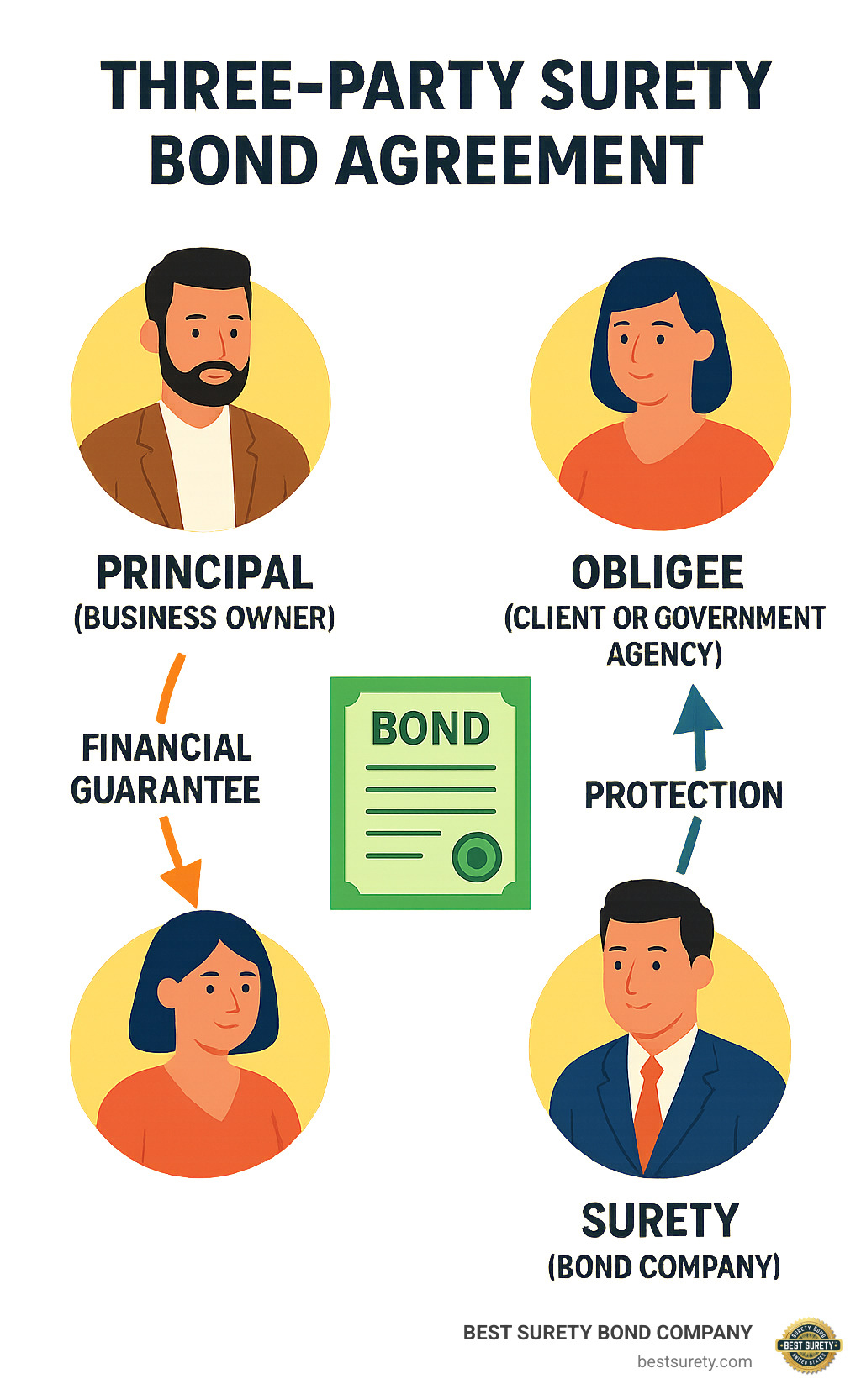
What does it mean to be bonded boils down to having a financial safety net for your customers. When you’re bonded, you’ve purchased a surety bond, which is a three-way promise between you, your clients, and a bond company.
Here’s how this partnership works: You’re the principal—the business owner who buys the bond. Your client or a government agency is the obligee—the one protected by the bond. We at BEST SURETY BOND COMPANY are the surety—we issue the bond and financially back your promise.
Think of it as a guaranteed line of credit that protects your customers. If you fail to fulfill your obligations, the surety compensates the injured party up to the bond amount. However, you are then required to reimburse the surety. It keeps you accountable while protecting your clients.
The purpose of a surety bond is to financially guarantee a principal’s capacity to meet the bond obligation. It’s proof that you stand behind your work with real financial muscle.
The Purpose of a Surety Bond
Surety bonds are the backbone of trust in business. They are designed to:
- Guarantee Performance: Ensure you complete projects as promised, protecting clients from unfinished work.
- Protect Consumers: Offer a financial remedy for customers if they suffer losses due to shoddy work or fraud.
- Ensure Compliance: Guarantee to government agencies that you will follow all laws and regulations.
- Secure Public Funds: Protect taxpayer money on public projects by ensuring contractors complete their work and pay their suppliers.
- Fulfill Legal Requirements: Many licenses and permits legally require a bond to operate in Texas and other states.
- Provide Peace of Mind: Give customers confidence that they are financially protected when they hire you.
Benefits of Being Bonded for Your Business
Being bonded is a powerful tool for your business. It helps you:
- Increase Credibility: A bond signals that you are a serious, vetted professional willing to guarantee your work.
- Win More Contracts: Many public and large private contracts require bonding to even submit a bid.
- Operate Legally: If a bond is required for your license in Texas, having one is essential to avoid fines or shutdowns.
- Attract Smart Customers: Informed consumers prefer bonded businesses because they understand the protection it offers.
- Demonstrate Financial Security: Bonding shows lenders and partners that you are financially stable and credible.
- Gain a Competitive Advantage: In a crowded market, being bonded sets you apart from competitors who can’t meet the underwriting standards.
Bonded vs. Insured: A Critical Distinction
Many business owners confuse being bonded with being insured. Understanding the difference is critical: your insurance protects you, while a bond protects your customers.
Think of it this way: your car insurance covers your damages and liability in an accident. A surety bond covers your client’s potential losses if you fail to deliver on a contract. The distinctions run deeper:
| Aspect | Bonded (Surety Bond) | Insured (Insurance Policy) |
|---|---|---|
| Who is Protected | The Client, Customer, or Public (Obligee) | The Policyholder (You, the business or individual) |
| Number of Parties | Three (Principal, Obligee, Surety) | Two (Insured, Insurer) |
| Purpose | Guarantee of performance or compliance; financial guarantee; line of credit | Risk transfer; protection against financial loss from specified perils |
| Claim Payout | Principal must reimburse the Surety for any valid claims paid | Insurer pays claims from premium pool; no reimbursement from insured |
When you’re bonded, a surety company guarantees your work. But if they have to pay a claim, you must pay them back every penny. With insurance, you pay premiums, and the insurer pays for covered claims from a shared pool of funds. You do not have to reimburse the insurance company for a paid claim.
How Claims Work Differently
Understanding the claims process highlights the core difference.
-
Surety Bond Claims: If a client files a claim against your bond (e.g., a Houston contractor fails to finish a job), the surety investigates. If the claim is valid, the surety pays the client and then requires you, the principal, to reimburse them for the full amount plus costs. Surety companies underwrite carefully because they expect to be paid back.
-
Insurance Claims: You pay premiums into a pool. When a covered loss occurs, the insurance company pays the claim from that pool. They anticipate losses as part of their business model and do not seek reimbursement from you.
Do You Need to Be Bonded, Insured, or Both?
For most Texas businesses, the answer is both. They serve different, complementary purposes.
- Risk Assessment: Insurance covers unexpected accidents and liability. Bonding covers your contractual promises and regulatory compliance.
- Industry & State Requirements: Many industries in Texas require both. A Dallas contractor needs a license bond to operate and general liability insurance for accidents. An auto dealer needs a dealer bond and garage keepers insurance.
- Client Expectations: The phrase “licensed, bonded, and insured” has become a standard of trust. Customers in Houston, Austin, and across Texas look for it as a sign of a reputable business.
Combining both gives you complete protection. Insurance protects your assets, while your bond protects your customers and your reputation.
Common Types of Surety Bonds and Who Needs Them
Understanding what does it mean to be bonded is easier when you see the specific types of bonds available. Different businesses have different needs. A Houston contractor’s bonding requirements differ from those of a Dallas auto dealer or a San Antonio cleaning service. At BEST SURETY BOND COMPANY, we help businesses across Texas and the nation find the right bond for their industry. More info about our bond services
License & Permit Bonds
These bonds are often required by government agencies to legally operate your business. They guarantee you’ll comply with all relevant laws and regulations.
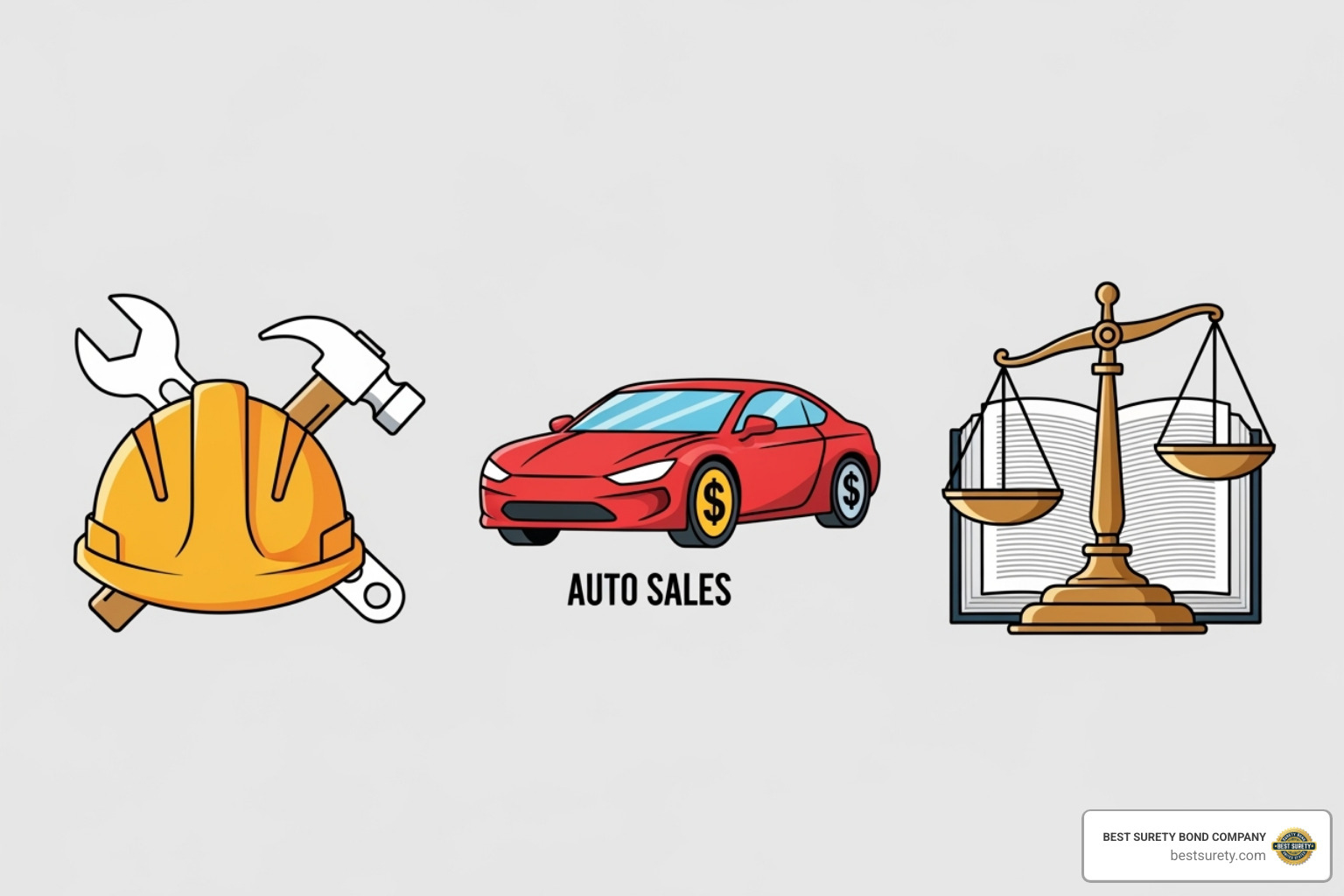
- Auto Dealer Bonds: Required in Texas to get a dealer license. This bond protects consumers from fraud or misrepresentation during a vehicle sale.
- Contractor License Bonds: Many Texas cities and the state require these for contractors. They ensure you’ll follow building codes and complete work as specified.
- Notary Bonds: This bond protects the public from financial harm resulting from a notary’s error or misconduct.
Many professions are regulated by the Texas Department of Licensing and Regulation, which sets specific bonding requirements.
Contract & Construction Bonds
These bonds are essential for public works and many private construction projects. They guarantee contractual obligations are met.
- Bid Bonds: Guarantee that if you win a bid, you will enter into the contract and provide the required performance and payment bonds.
- Performance Bonds: Guarantee that you will complete the project according to the contract’s terms.
- Payment Bonds: Guarantee that you will pay all subcontractors, laborers, and material suppliers involved in the project.
- Ancillary Bonds: Cover other obligations like warranties or maintenance.
For contractors bidding on projects in Texas, from a school in Austin to a highway in East Texas, these bonds are critical for winning work.
Fidelity Bonds and Employment Bonding
Fidelity bonds are different: they protect your business from employee dishonesty, rather than protecting your customers.
- Employee Theft Coverage: A fidelity bond reimburses your business for losses caused by an employee stealing money, property, or other assets.
- Being “Bondable”: When a job application asks “What does ‘bonded’ mean in a workplace?” it’s asking if you can pass the background check for a fidelity bond. This is common for roles with financial responsibility or access to customer property.
- Types of Fidelity Bonds: Bonds can cover a named individual, all employees in a blanket position, or be a janitorial service bond, which protects your clients from theft by your cleaning staff.
The Process: How to Get Bonded Fast
Getting bonded is a straightforward process. At BEST SURETY BOND COMPANY, we’ve streamlined it to help Texas business owners get bonded quickly and easily.
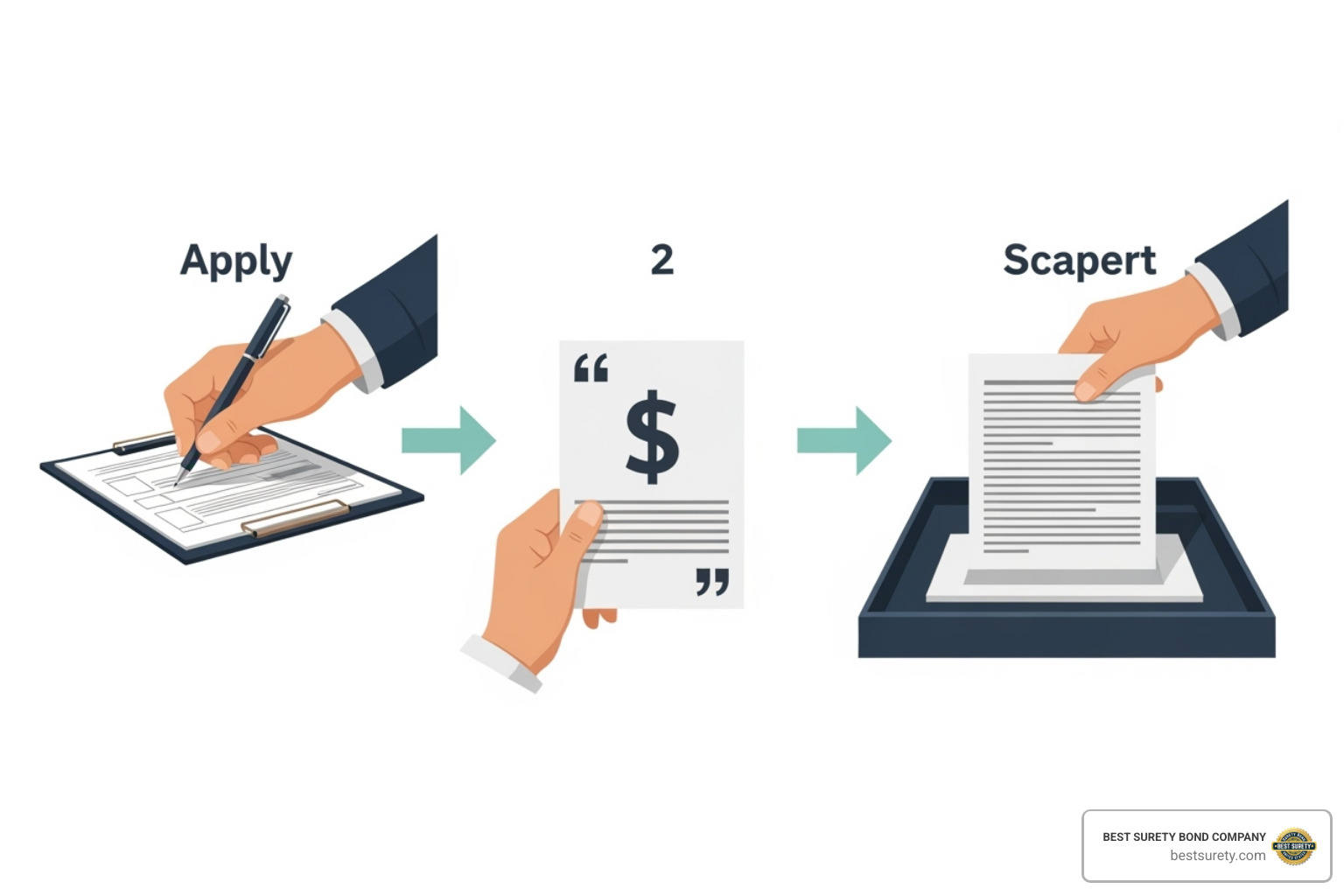
The process involves a simple application, a quick underwriting review of your credit and finances, and payment of the premium. Once paid, you receive your official bond to file. We pride ourselves on fast approvals, same-day issuance, and instant quotes for many common bonds. You can start now with our online surety bond quote and often get your bond the same day.
Step-by-Step Guide to Getting Your Bond
Here’s how to get your bond, with a focus on meeting Texas requirements:
- Determine Your Bond Type: The obligee (the entity requiring the bond, like a state licensing board) will tell you the exact bond you need.
- Know the Bond Amount: The obligee will also specify the required bond amount, or penal sum (e.g., a $10,000 contractor bond).
- Apply Online: Use our fast, intuitive online application. Most license and permit bonds take only a few minutes to apply for.
- Receive an Instant Quote: For many bonds, you’ll get a quote immediately. For more complex bonds, our agents will quickly find you our best rates guaranteed.
- Sign and Pay: Accept the quote and sign the agreement electronically. Pay the premium online to finalize the process.
- File Your Bond: We’ll guide you on how to file your bond correctly with the specific Texas state agency or other obligee.
How Much Does It Cost to Be Bonded?
The cost of a surety bond is a small percentage of the total bond amount, making it very affordable.
The cost of a surety bond ranges between 0.5% to 10% of the bond amount in most cases. For a $10,000 bond, your annual premium could be between $50 and $1,000.
Key factors determining your rate include:
- Credit Score: This is the most significant factor. Applicants with good credit typically pay just 1-5% of the bond amount. Those with poor credit may see rates up to 20% due to higher risk.
- Bond Amount and Type: Larger or higher-risk bonds may have different premium structures.
At BEST SURETY BOND COMPANY, we specialize in finding low-cost surety bonds for businesses across all credit ranges. We work with multiple surety partners to secure the best surety bond rates in Texas, helping you stay compliant without breaking the bank.
Frequently Asked Questions about Being Bonded
After helping thousands of businesses across Texas and the nation, we’ve answered every question about what does it mean to be bonded. Here are the most common ones, answered simply.
What does it mean if a job application asks if I am “bondable”?
It means the employer wants to know if you can be covered by a fidelity bond, which protects the company against employee theft. Being “bondable” means you can pass a basic background and credit check. Most people with a reasonably clean criminal and financial history are bondable. It’s a standard requirement for jobs involving cash handling or access to customer property.
What is the difference between a surety bond and a fidelity bond?
The key difference is who is protected:
- A surety bond protects your customer (the obligee) if you fail to meet your contractual or legal obligations.
- A fidelity bond protects your business (the employer) from losses caused by a dishonest employee.
Surety bonds guarantee your performance to others, while fidelity bonds are a form of insurance for your business against internal risks.
How long does it take to get a surety bond?
It can be incredibly fast. At BEST SURETY BOND COMPANY, many license and permit bonds are approved and issued the same day you apply, often within a few hours.
For common bonds like auto dealer or basic contractor license bonds, our online system provides instant approval and same-day issuance. More complex contract bonds may take a few days for financial review, but our process is built for speed because we know Texas businesses can’t afford to wait.
Get Bonded Today with Confidence
Now that you understand what does it mean to be bonded, you’re ready to take the next step toward securing your business’s future and building unshakeable trust with your clients. Being bonded isn’t just another box to check off your business compliance list – it’s your competitive advantage that opens doors to bigger contracts, builds instant credibility, and ensures you’re operating within legal compliance.
At BEST SURETY BOND COMPANY, we’ve made getting bonded as simple as ordering coffee online, but with the personal touch you deserve. Whether you’re a contractor in Houston needing a license bond to start operating legally, or you’re bidding on a major construction project requiring performance bonds, we’re your trusted partner every step of the way.
Our commitment to fast approval means many of our clients get their bonds the same day they apply. We understand that time is money, especially when you’re waiting to start a project or need to meet a licensing deadline. Combined with our low rates and deep expertise as Texas experts with national reach, we make sure you get the protection you need without the hassle or high costs.
The benefits of working with us are clear: you’ll enjoy building trust with every client who sees that “licensed, bonded, and insured” badge, you’ll meet all legal compliance requirements to operate in your industry, and you’ll gain access to contracts that were previously out of reach.
Don’t let the complexities of bonding slow down your business growth. Take that proactive step today to protect your clients, improve your credibility, and open up new opportunities.
Get Your Free Surety Bond Quote Now
Being bonded shows the world that you stand behind your work with more than just words – you’ve put financial security on the line. That’s the kind of confidence that wins contracts and builds lasting business relationships.
